.png)


SAINT RAFQA
Pietra Choboq Ar-Rayès (1832–1914)
Early Life in Himlaya (1832–1859)
Rafqa was born on June 29, 1832, in Himlaya, a village in northern Metn, Lebanon. She was the only child of Mourad Saber el-Choboq el Rayess and Rafqa Gemayel. Just days after her birth, on July 7, she was baptized and given the name “Boutroussieh”.
Her early life was marked by devotion, daily prayer, and tragedy. At the age of seven, she lost her mother, which left a lasting impact. In 1843, due to financial hardship, her father sent her to work in the home of Assaad Badawi for four years. Rafqa grew into a gentle, joyful, and beautiful young woman, known for her serene voice and kind demeanor.
Upon returning home, she faced familial pressure to marry. Her stepmother wanted her to wed her brother, and her aunt had similar plans. Caught in this conflict, Rafqa instead felt a deep calling to religious life.
Religious Life with the Mariamettes (1859–1871)
Driven by her spiritual longing, Rafqa prayed for divine guidance and made her way to the Convent of Our Lady of Deliverance in Bikfaya. Upon entering the chapel, she felt profound peace and heard God affirm her desire to become a nun.
She began her postulancy and received the religious habit on March 19, 1861. A year later, she made her first vows. Rafqa was assigned to various duties, including working at a Jesuit seminary in Ghazir. There, she met future Church leaders and helped educate young women entering religious life.
In 1860, she was sent to Deir el-Kamar, where she taught catechism amidst violent unrest. She once risked her life to save a child during the massacres. Over the next several years, she taught in Byblos and Maad, where she helped open a school for girls.
Joining the Lebanese Maronite Order (1871–1914)
Monastery of St. Simon el-Qarn in Aito (1871–1897)
A crisis in her original congregation led Rafqa to seek direction through prayer. At St. George's Church, she again heard God’s voice and dreamt of Saints George, Simon, and Anthony the Great, encouraging her to join the Lebanese Maronite Order.
With the help of benefactor Antoun Issa, she entered the Monastery of St. Simon el-Qarn and took the name "Sister Rafqa" after her mother. She pronounced her vows in 1872 and spent the next 26 years in strict monastic life, marked by prayer, silence, and self-sacrifice.
In October 1885, Rafqa prayed to share in Christ's suffering. That very day, she began to experience intense pain in her head and eyes. Eventually, she lost sight in one eye after a painful surgery performed without anesthesia and later became fully blind. Despite this, she remained serene, offering her suffering in union with Christ.
Monastery of St. Joseph al-Dahr in Jrabta (1897–1914)
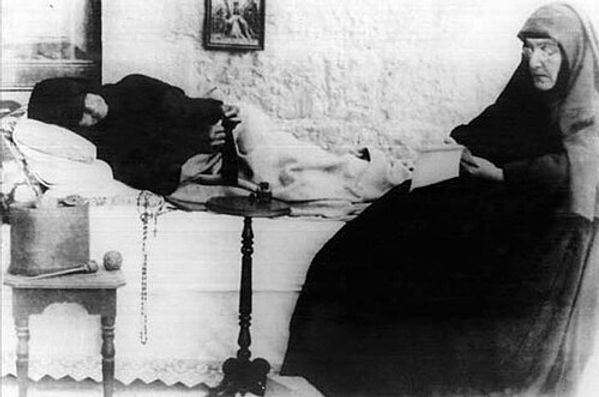
In 1897, she was among six nuns sent to the new monastery in Jrabta. Her suffering continued: she lost her sight entirely and developed severe health issues, including a dislocated hip and visible vertebrae due to illness.
Despite her physical decline, her face remained radiant, and her hands, still functional, were used to knit and sew. She constantly gave thanks to God for allowing her to suffer with Christ.
Rafqa died peacefully on March 23, 1914, after a life of deep faith and devotion. Her body was later moved to a shrine at the monastery. Pope John Paul II declared her:
-
Venerable: February 11, 1982
-
Blessed: November 17, 1985
-
Saint: During the Jubilee Year 2000, she was presented as a model of Eucharistic adoration.


Explore the Collection
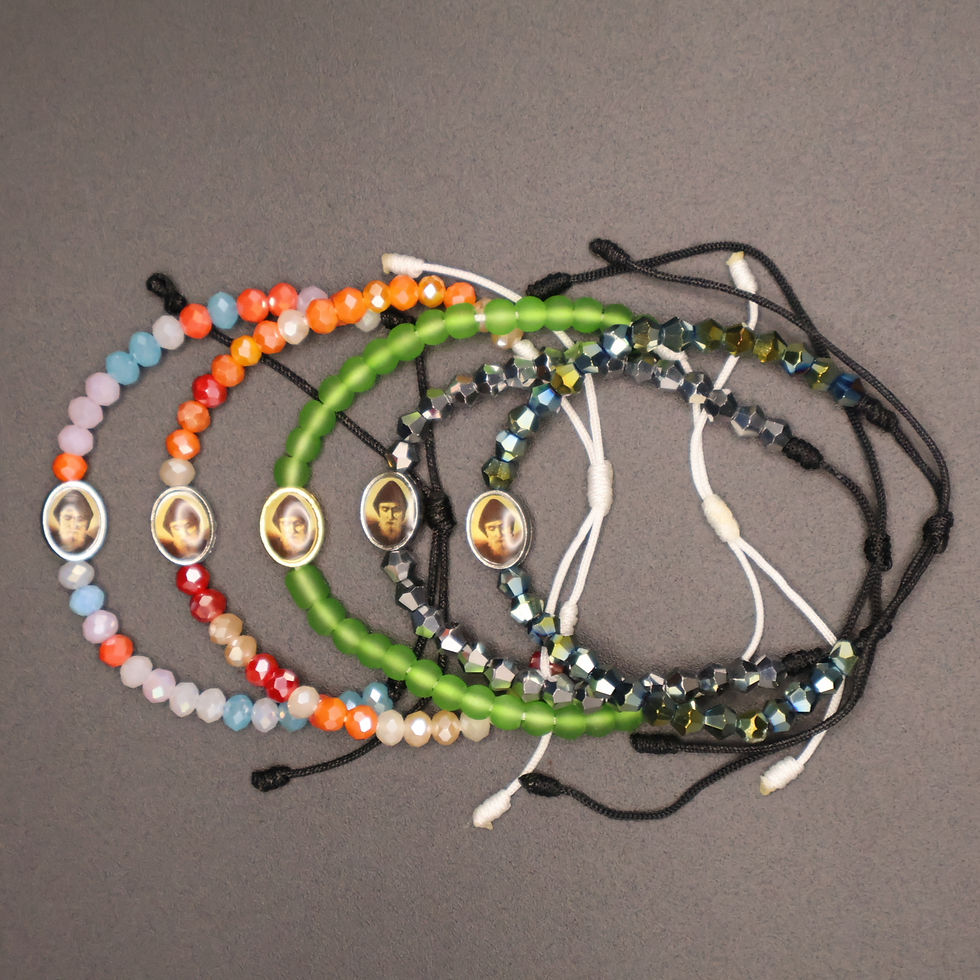
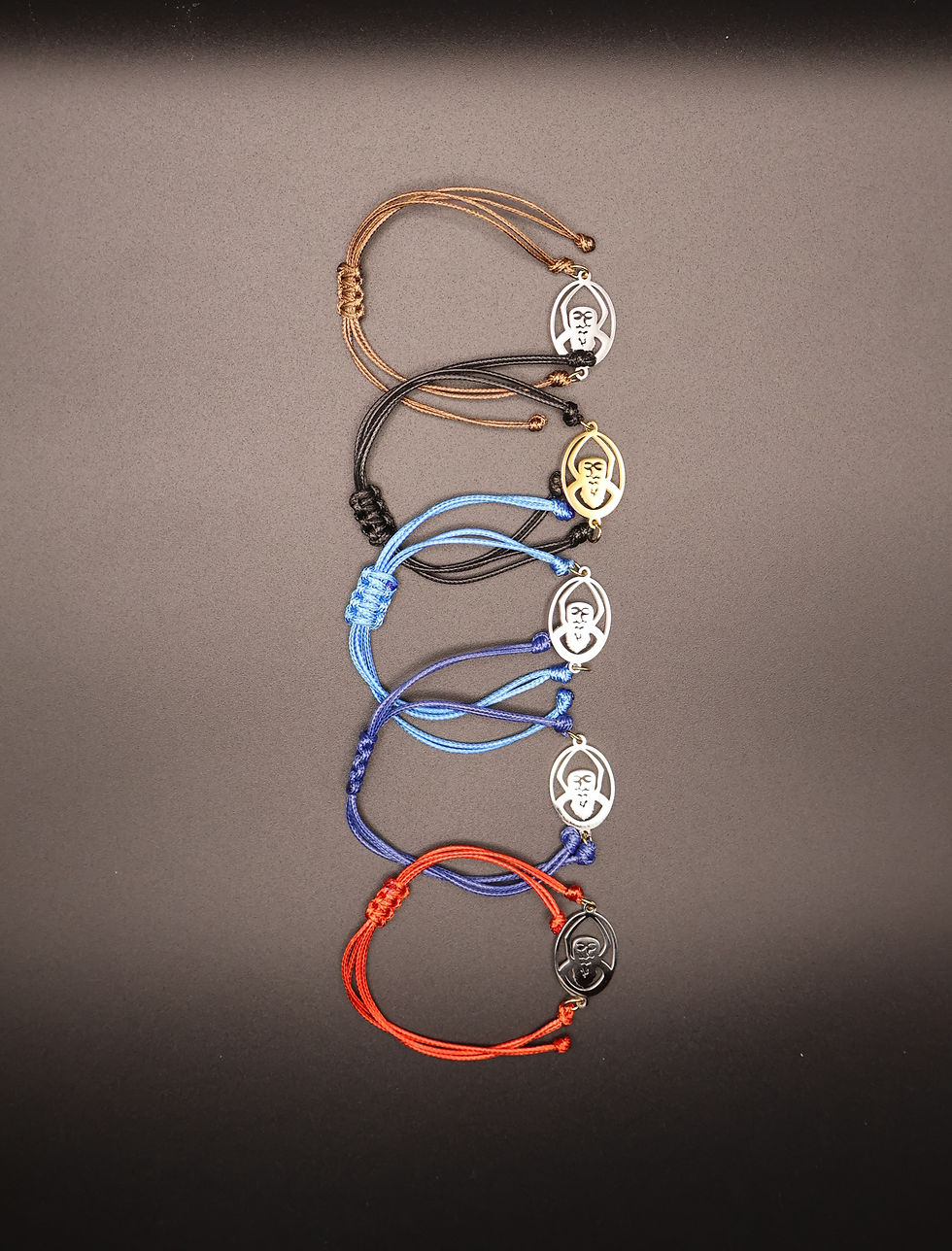
Discover our carefully curated souvenirs dedicated to St Charbel






GET IN TOUCH
IF YOU CANNOT FIND THE ITEMS THAT YOU ARE LOOKING FOR, PLEASE DROP US AN EMAIL AND WE WILL ASSIST YOU FURTHER.